Painting Contractors Orlando FL

House Painting Tips

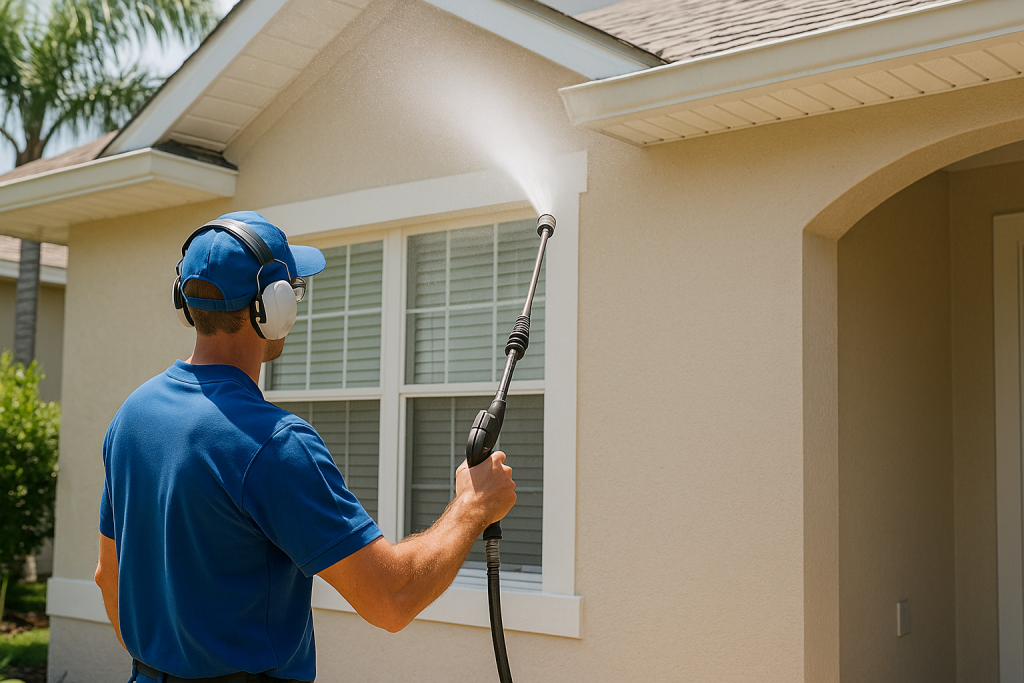
Pressure Washing Before Painting: Orlando Homeowner’s Guide

Pressure Washing Before Painting: Orlando Homeowner’s Guide (2025 Edition)

The Secret to a Long-Lasting Paint Job in Florida When it comes to exterior painting in Orlando, success starts long before the first coat of paint.Florida’s warm, humid climate creates the perfect environment for mold, mildew, and dirt buildup — all of which can ruin a fresh paint job if not removed properly. That’s why pressure washing is one of the most important — and most overlooked — steps in paint preparation. Without it, even premium paints can peel, bubble, or fail within months. This guide explains why pressure washing before painting is essential, how Orlando’s unique climate affects your cleaning strategy, and what professionals do to ensure the surface is perfectly ready for painting. 1. Why Pressure Washing Is Non-Negotiable Before Painting Paint adheres best to a clean, dry surface. Over time, Orlando homes accumulate layers of: If you paint over these contaminants, the new coating won’t properly bond — leading to peeling, cracking, or bubbling. Pressure washing removes all surface contaminants, restoring a smooth, clean foundation that allows the new paint to fully adhere and perform for years. 2. Orlando’s Climate Makes Cleaning Even More Important In Central Florida, heat and moisture work against your paint daily. A. Year-Round Humidity Moisture encourages mildew and algae, especially on north-facing walls or shaded areas under trees. B. Frequent Rainfall Summer rainstorms splash dirt and organic debris onto lower walls and trim, creating streaks and staining. C. Intense UV Radiation The sun breaks down paint binders over time, leading to chalking — a fine, dusty residue that must be removed before repainting. Regular pressure washing before painting helps eliminate all these climate-driven contaminants, ensuring your new paint doesn’t just look great — it lasts. 3. What Pressure Washing Removes (and Why It Matters) Contaminant Where It’s Found Impact if Not Removed Before Painting Mold & Mildew Shady or north-facing walls Causes paint to bubble and discolor Dirt & Dust Near ground level, around landscaping Prevents paint adhesion Chalking Sun-exposed stucco or siding Leads to premature peeling Grease or Oils Driveways, garages, patios Blocks primer adhesion Pollen & Tree Sap Eaves, trim, porches Causes uneven paint texture In Orlando’s climate, even brand-new homes can develop mildew or chalking within 6–12 months. Pressure washing ensures every trace of buildup is gone before painting begins. 4. Professional Pressure Washing vs. DIY Cleaning Many homeowners think they can save money by pressure washing themselves — but improper cleaning can do more harm than good. DIY Pressure Washing Risks Professional Pressure Washing Advantages When handled by expert painting companies in Orlando, pressure washing becomes a precise science — not just a cleaning step. 5. The Step-by-Step Process of Professional Pressure Washing Step 1: Inspection Contractors evaluate the home’s material (stucco, wood, Hardie board, etc.) to determine safe pressure levels and appropriate detergents. Step 2: Pre-Treatment They apply a mildew-killing detergent or sodium hypochlorite mix to dissolve mold, dirt, and chalking before pressure is applied. Step 3: Pressure Washing Using wide-spray nozzles and controlled pressure, every wall, eave, and trim surface is cleaned thoroughly. Areas near electrical fixtures or delicate siding are treated with low pressure. Step 4: Rinse and Dry The surface is rinsed clean and allowed to dry for at least 24–48 hours before painting begins. Step 5: Surface Check After drying, the contractor checks for cracks, peeling, or bare spots that may require patching or priming before paint application. 6. The Ideal Time to Pressure Wash in Orlando Timing is everything — especially with Florida’s unpredictable weather. Pressure washing a day or two before painting ensures the surface is dry but still clean when paint is applied. 7. Common Mistakes Homeowners Make Mistake Result Painting without washing Paint peels within months Using too much pressure Damaged stucco or gouged wood Not drying walls fully Blistering or bubbling Skipping detergent Mold regrows under paint Washing too far in advance Dust resettles before painting If you’re investing thousands in a new paint job, proper prep is worth every penny. 8. Special Considerations for Orlando Homes A. Stucco Surfaces Stucco’s porous texture traps dust and algae. Gentle pressure (1,200–1,500 PSI) and mildew cleaners are essential to avoid pitting the surface. B. Wood and Trim Use low pressure and soft brushes — especially around windows, fascia, and soffits. C. Driveways and Walkways While not painted, cleaning them alongside the house improves curb appeal and prevents dirt from splashing back onto new paint. D. Roof Overhangs and Gutters Often forgotten, these areas collect grime that drips onto fresh walls during rain. They should be pressure cleaned before any painting begins. 9. Eco-Friendly Pressure Washing in Orlando With Orlando’s proximity to waterways, many professional painters now use eco-safe biodegradable detergents.These cleaners are tough on mildew but gentle on plants, pets, and groundwater. Environmentally conscious painters also: 10. Cost of Pressure Washing Before Painting Professional pressure washing typically costs between $0.25–$0.45 per square foot in Orlando, depending on surface type and buildup severity. For a 2,000-square-foot home, expect to pay $350–$600 — a small price compared to the cost of repainting prematurely due to poor prep. Most Orlando painting contractors include this service as part of their full painting package, ensuring seamless scheduling and guaranteed results. 11. Benefits of Pressure Washing Before Painting A professional pressure wash is more than preparation — it’s protection for your home. 12. How to Maintain Your Home Between Paint Jobs Pressure washing shouldn’t just happen before painting.For optimal results, schedule light cleaning every 12–18 months to prevent buildup and prolong paint life. Maintenance Tips: By maintaining cleanliness year-round, your home’s exterior paint can easily exceed its expected lifespan. Clean First, Paint Once, Protect for Years A flawless paint job begins with clean walls.In Orlando’s hot and humid climate, pressure washing before painting isn’t optional — it’s essential. It ensures the new paint bonds properly, resists mildew, and stays beautiful through Florida’s toughest weather. Before your next project, ask your Orlando painting contractor about their prep process. If it doesn’t include thorough pressure washing, keep looking — because great paint starts with great preparation.

Pressure Washing Before Painting: Orlando Homeowner’s Guide (2025 Edition) Read More »
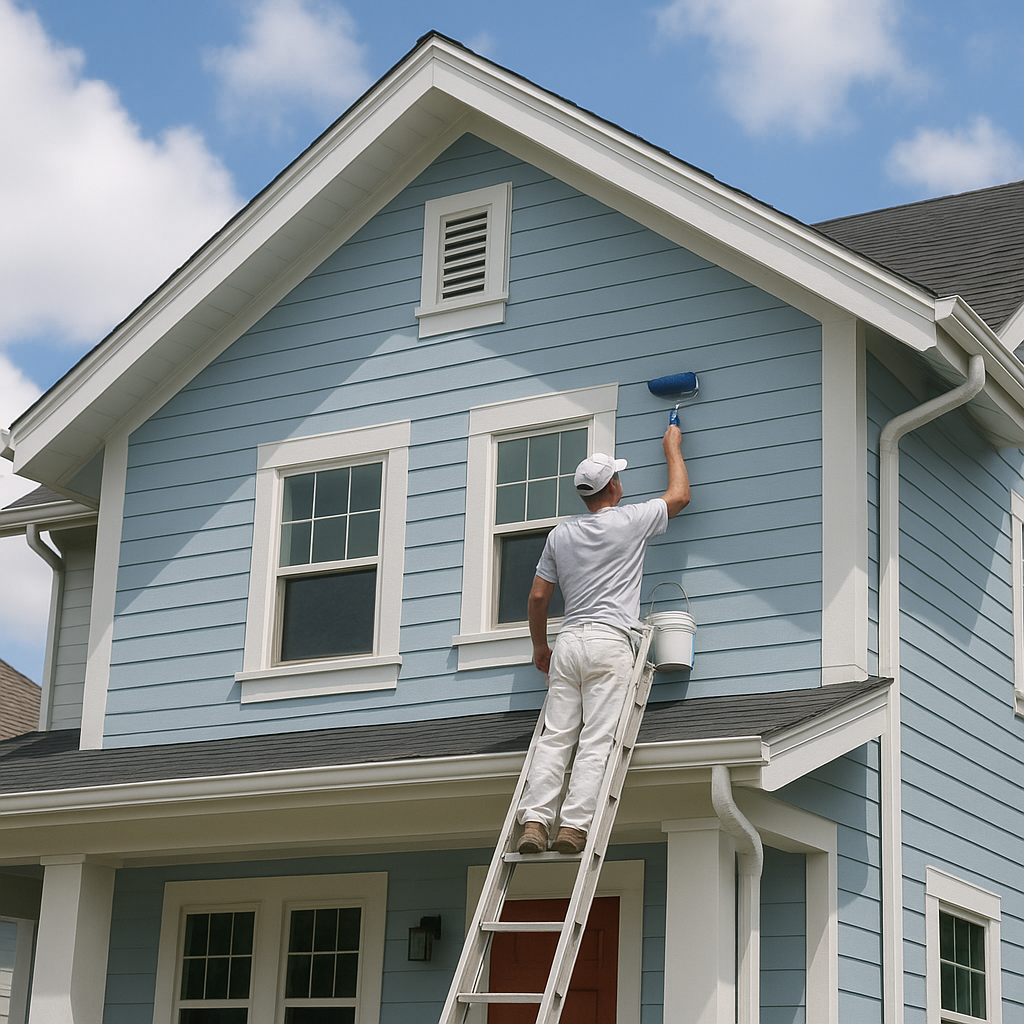
Best Paint Colors for Orlando Homes

Best Paint Colors for Orlando Homes: Climate Considerations (2025 Guide)

Beauty Meets Durability in the Sunshine State When it comes to choosing the perfect paint color for your Orlando home, style isn’t the only factor to consider — the Florida climate plays a huge role in how your paint looks and lasts. With year-round sunshine, heavy humidity, and bursts of afternoon rain, the wrong color choice can fade, peel, or trap heat in just a few short years. That’s why the best paint colors for Orlando homes combine aesthetic appeal with climate-friendly performance. In this guide, we’ll cover the most popular — and practical — paint colors for Orlando homes, explore how local weather affects color durability, and share expert tips from Orlando painters who understand the science behind paint selection in Central Florida’s unique environment. 1. Why Color Choice Matters in Orlando’s Climate Orlando’s tropical and humid subtropical conditions mean your home faces three main paint challenges: To maintain color vibrancy and reduce maintenance, homeowners in Orlando should prioritize light-reflective, UV-stable colors paired with high-quality exterior paints designed for humid environments. 2. Top Exterior Paint Colors That Work Best in Orlando A. Warm Whites and Creams Soft whites and off-whites are timeless in Orlando’s bright light. They reflect heat, resist fading, and make stucco homes look elegant and clean. Top Picks: Best For: Stucco homes, modern exteriors, and Mediterranean-style villas.Pro Tip: Use warmer undertones to prevent your home from appearing too stark in Florida’s intense sunlight. B. Coastal Blues and Teals Inspired by nearby beaches and lakes, coastal tones create a calm, breezy look that’s perfect for Orlando neighborhoods. Top Picks: Best For: Homes near water, pastel-colored communities, and those seeking a relaxed, coastal vibe.Climate Benefit: These cooler tones subtly reflect heat while maintaining color integrity in UV-heavy conditions. C. Light Grays and Greige Gray and greige (gray-beige blend) are modern favorites that pair beautifully with Florida’s lush greenery and terracotta roofs. Top Picks: Best For: Contemporary or transitional homes looking for a neutral but sophisticated palette.Climate Benefit: Lighter grays deflect heat and don’t fade as fast as dark charcoal tones. D. Earthy Beiges and Tans Florida’s architectural landscape is full of natural, sandy hues that blend with palm trees and stonework. These are perfect for homeowners who want warmth without excess heat absorption. Top Picks: Best For: Ranch, Mediterranean, or stucco homes with clay roof tiles.Pro Tip: Pair with crisp white trim to brighten the look and create contrast. E. Muted Greens and Sage Soft green tones work beautifully in tropical settings and hold up well against fading. They’re subtle, nature-inspired, and blend seamlessly with Florida’s landscapes. Top Picks: Climate Benefit: Natural greens hide dirt, pollen, and mildew better than pure whites. 3. Colors to Avoid in Orlando’s Climate While bold colors look great on paper, some shades don’t fare well under Florida’s sun and humidity. A. Very Dark Colors (Black, Navy, Deep Charcoal) These absorb sunlight, increase home temperature, and fade quickly in direct UV exposure. B. Bright Reds and Oranges Vivid pigments tend to oxidize in Florida heat, dulling faster than softer earth tones. C. Pure White While reflective, bright whites can appear harsh and show dirt easily in Orlando’s outdoor environment. 4. Paint Finishes That Complement Orlando’s Weather Choosing the right finish is just as important as color. For most homes in Orlando, satin or low-sheen finishes provide the best balance between aesthetics and durability. 5. How to Use Color to Improve Energy Efficiency In Florida’s warm climate, your paint color can directly affect your utility bill. Many painting companies in Orlando use heat-reflective paint additives that reduce thermal buildup — a worthwhile investment for long-term energy savings. 6. Coordinating Trim and Accent Colors To create curb appeal, contrast is key. Don’t forget the roof — tile and shingle colors play a major role in your overall palette harmony. 7. HOA and Neighborhood Considerations Many Orlando communities (especially newer developments) have HOA guidelines that restrict paint colors. Before selecting a palette, confirm approved colors with your homeowners’ association. Most HOAs favor neutrals and light tones that blend well with community design standards. Professional Orlando painters can provide digital mock-ups or sample boards for easy HOA approval. 8. Interior Color Choices That Work for Orlando Homes The same sunlight that brightens your exterior also floods your interior spaces — so choose colors that complement Florida’s natural light. Best Interior Colors for Orlando Homes: These tones not only stay cool visually but also make your interior feel open and airy — ideal for Orlando’s bright, sunny atmosphere. 9. How Often to Repaint in Orlando’s Climate Even the best color will fade eventually. In Central Florida, plan to repaint: Regular maintenance — like gentle washing and annual inspections — can extend these lifespans significantly. 10. Choosing the Right Orlando Painting Contractor To make your color vision come to life, choose a licensed, insured painting company that understands local climate demands. Ask about: Let Orlando’s Climate Inspire Your Color Palette The best paint colors for Orlando homes are those that celebrate Florida’s sunshine while standing strong against its elements. Think light, reflective, UV-stable hues that highlight your home’s architecture, reduce heat, and maintain vibrancy for years to come. Whether you love the calm of coastal blues, the elegance of greige, or the timeless charm of creamy white stucco, choosing climate-smart colors ensures your home looks stunning — rain or shine. If you’re ready to refresh your home’s look, contact expert house painters in Orlando FL for a color consultation and discover shades designed to thrive in the Sunshine State.

Best Paint Colors for Orlando Homes: Climate Considerations (2025 Guide) Read More »

Fixing Common Orlando Home Paint Problems

Fixing Common Orlando Home Paint Problems: Peeling, Fading, and Cracking (2025 Guide)

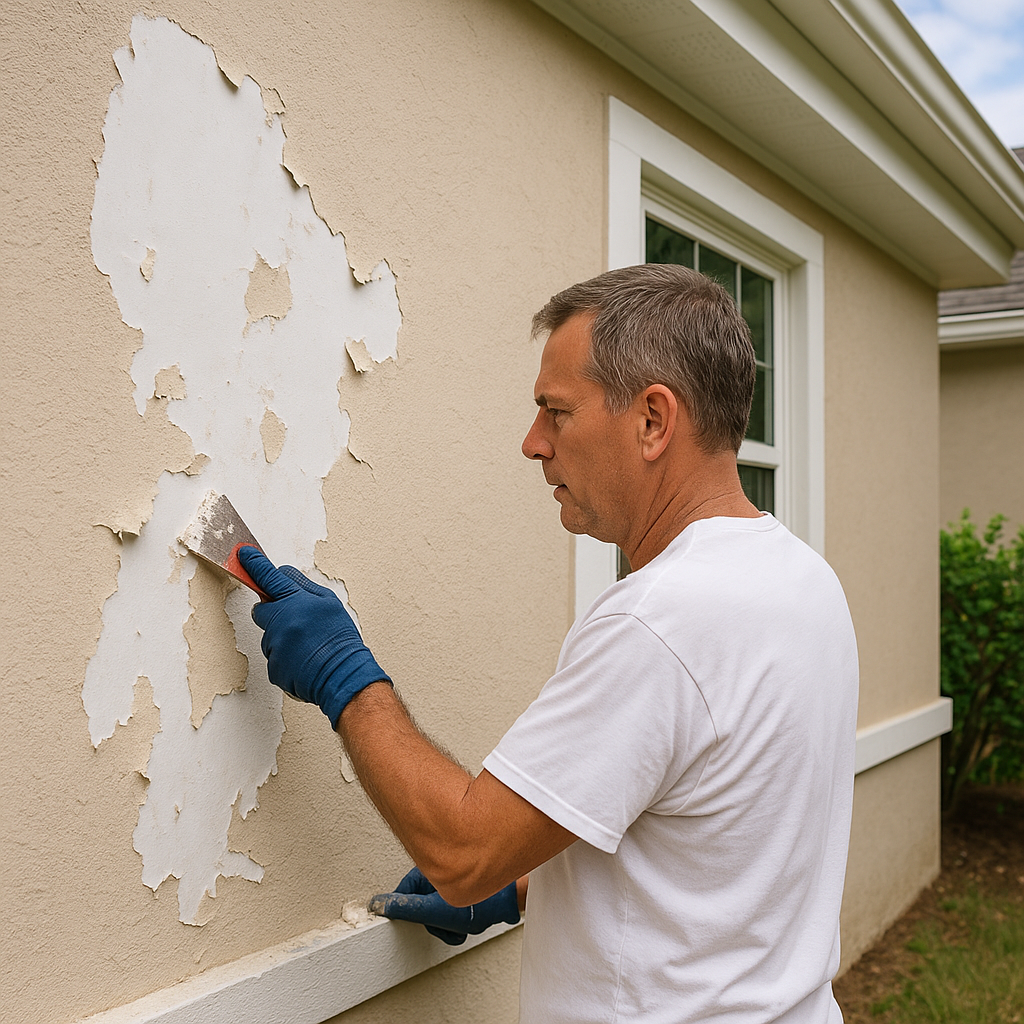
Orlando’s Climate Challenges Every Paint Job Between blistering sunlight, year-round humidity, and frequent rain, Orlando’s climate is as tough on paint as it gets. Even high-quality coatings can start peeling, fading, or cracking if not applied or maintained properly. Whether your home’s exterior is stucco, wood, or fiber cement, these issues aren’t just cosmetic — they’re warning signs.If ignored, they can lead to moisture damage, wood rot, and costly repairs. In this guide, we’ll explain how to identify, repair, and prevent the most common paint problems faced by Orlando homeowners, plus professional insights from local painters who understand Florida’s unique weather conditions. 1. Peeling Paint: The Most Common Orlando Paint Problem Peeling occurs when paint loses adhesion to the surface — one of the earliest signs your home needs attention. What Causes Peeling in Orlando Homes How to Fix Peeling Paint Pro Tip: Repaint in Orlando’s dry season (November–April) when humidity levels are lower, allowing paint to cure correctly. 2. Fading Paint: Sunlight’s Silent Damage Color fading is one of the most visible effects of Orlando’s year-round UV exposure. The stronger the sun, the faster pigments break down. Why Paint Fades in Florida How to Fix Faded Paint Prevention Tips 3. Cracking Paint: A Warning Sign of Structural Stress Cracking occurs when paint loses flexibility — a common problem in homes exposed to constant heat and expansion. Why Paint Cracks in Orlando How to Fix Cracked Paint Pro Tip: Cracks on stucco are common in Florida. A high-build elastomeric coating can bridge hairline cracks and create a waterproof seal. 4. Bubbling or Blistering Paint Bubbles (blisters) form when moisture or air gets trapped under the paint film — a frequent problem after Orlando’s heavy rain or during humid summers. Causes Fixing Bubbles Avoid painting directly under the Florida midday sun — rapid heating can create bubbles within hours. 5. Mold and Mildew Growth Orlando’s humid environment encourages mold growth, especially on shaded walls or areas with poor drainage. How to Identify It How to Remove and Prevent Mold Note: Always wear protective gear when cleaning mold to prevent respiratory irritation. 6. Chalking: The Dusty Residue You Shouldn’t Ignore Chalking looks like a white powdery layer that comes off when you rub your hand against the wall.While common in older Orlando homes, excessive chalking signals that the paint is breaking down. Causes How to Fix It Prevention: Choose paints with high pigment volume concentration (PVC) and UV stabilizers for better weather resistance. 7. Efflorescence: The White Crust on Masonry Efflorescence occurs when water migrates through concrete or stucco, bringing salts to the surface that crystallize as white deposits. Causes Fix 8. Paint Stains and Rust Marks Orange or brown streaks near nails, gutters, or window frames often indicate rust or metallic leaching. How to Remove Them 9. Preventing Paint Problems Before They Start Most paint failures in Orlando stem from improper surface prep or cheap materials.Here’s how to make your next paint job last through Florida’s climate. A. Invest in High-Quality Paint Use premium 100% acrylic or elastomeric coatings designed for Florida homes. These resist UV, mold, and cracking far better than standard latex. B. Prep Properly C. Time It Right Paint during Orlando’s dry season (November–April) for optimal curing and adhesion. D. Hire Experienced, Licensed Painters Local Orlando painting companies understand humidity control, surface prep, and product selection better than general contractors. 10. How Professionals Address These Issues Reputable house painters in Orlando FL use specialized tools and techniques to combat local conditions: Professionals also provide warranties, ensuring your investment remains protected against premature failure. 11. When It’s Time to Repaint Entirely If your paint issues cover more than 30–40% of the surface or multiple sides of your home, it’s usually best to start fresh.A full repaint includes stripping loose paint, repairing surfaces, priming, and applying two coats of premium paint. Average lifespan after repainting with top-quality materials: 12. Maintenance Tips for Long-Term Protection Keep your exterior looking beautiful year-round with these Orlando-specific maintenance habits: By staying proactive, you can prevent 90% of common paint problems before they start. A Fresh Coat Is More Than Just Color In Orlando’s hot, humid, and storm-prone climate, paint does far more than beautify — it protects your home from the elements. Peeling, fading, and cracking are early warning signs that it’s time for professional care.By addressing these issues quickly — and repainting with the right products and prep — you’ll protect your home’s structure, enhance its curb appeal, and save thousands on future repairs. When in doubt, call a trusted, licensed, and insured painting company in Orlando to inspect your home and recommend the best path forward. Because in Florida, paint isn’t just decoration — it’s defense.

Fixing Common Orlando Home Paint Problems: Peeling, Fading, and Cracking (2025 Guide) Read More »

Choosing Between Eggshell, Satin, and Semi- Gloss Paint in Orlando

Choosing Between Eggshell, Satin, and Semi- Gloss Paint in Orlando (2025 Homeowner’s Guide)

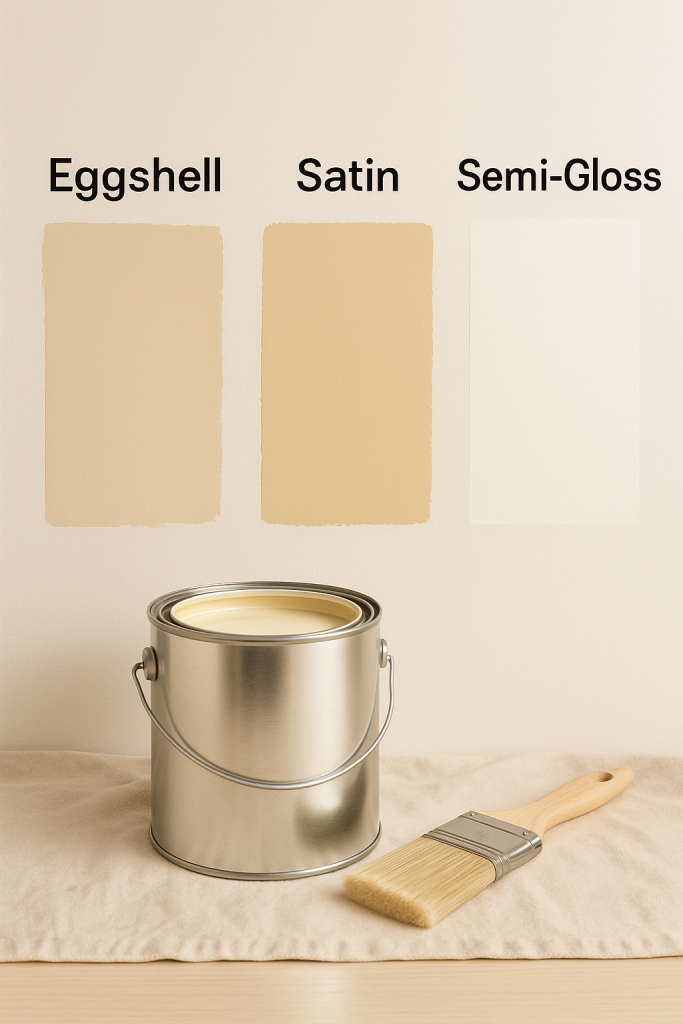
Why Finish Choice Matters in Orlando Most homeowners spend hours choosing colors but overlook one of the most important decisions in painting — the finish.In humid, sun-filled places like Orlando, the wrong finish can lead to premature fading, peeling, or mold growth. The right one, on the other hand, can make your home easier to clean, more energy-efficient, and beautifully balanced under Florida’s bright natural light. In this guide, we’ll compare eggshell, satin, and semi-gloss finishes — explaining how each performs in Orlando’s unique climate and which surfaces they’re best suited for. Whether you’re repainting your interior or refreshing your exterior, you’ll walk away knowing exactly which sheen fits your lifestyle, maintenance needs, and design goals. 1. The Science Behind Paint Finishes Paint “finish” refers to how much light it reflects once dry. In humid regions like Orlando, where sunlight, moisture, and heat constantly test your home’s surfaces, higher-sheen paints generally last longer and clean easier because they seal the surface more tightly. 2. Understanding Orlando’s Environmental Challenges Your finish decision shouldn’t be made in isolation — it must consider Central Florida’s climate factors: For Orlando homeowners, choosing the right sheen means finding the balance between durability, moisture resistance, and aesthetic warmth. 3. Eggshell Finish: Subtle Elegance with a Soft Glow What It Is Eggshell sits between flat and satin — it has a faint, velvety sheen that catches just enough light to feel polished but not shiny. Pros Cons Best Places to Use Eggshell in Orlando Homes Climate Consideration Because Orlando’s humidity can be high year-round, eggshell paint works best indoors in climate-controlled areas — not for bathrooms or exteriors. Choose high-quality, washable acrylic eggshell formulas labeled “mildew-resistant.” 4. Satin Finish: The Florida Favorite What It Is Satin has a soft, pearl-like sheen that’s noticeably smoother and more durable than eggshell, making it the most popular finish for Orlando homes. Pros Cons Best Places to Use Satin Finish in Orlando Climate Consideration Satin’s moisture resistance and versatility make it the go-to finish for Florida exteriors. It’s also recommended by professional Orlando painters for stucco, wood, and concrete homes. When applied with 100% acrylic paint, it resists fading for up to 8–10 years. 5. Semi-Gloss Finish: Durable, Reflective, and Easy to Clean What It Is Semi-gloss paint has a high sheen that reflects plenty of light, creating a crisp, polished appearance. It’s the most durable of the three and stands up well against Florida’s elements. Pros Cons Best Places to Use Semi-Gloss in Orlando Homes Climate Consideration Semi-gloss performs exceptionally well in humid and rainy environments. Many painting companies in Orlando FL use semi-gloss on exterior trims to prevent moisture from seeping into gaps around windows and doors — common points of failure in older Florida homes. 6. Comparison Table: Eggshell vs. Satin vs. Semi-Gloss Feature Eggshell Satin Semi-Gloss Sheen Level Low Medium High Durability Moderate High Very High Ease of Cleaning Easy Easier Easiest Best For Living rooms, bedrooms Exteriors, kitchens, baths Trim, doors, accents Humidity Resistance Moderate Excellent Excellent Fading Resistance Good Very Good Excellent Surface Prep Needed Low Medium High 7. Interior Design Tips for Orlando Light Conditions Florida sunlight is bright and warm — and your finish can amplify or soften it. Pair finishes strategically — for example, use satin on walls and semi-gloss on trim for depth and visual contrast. 8. Exterior Applications: Orlando-Specific Advice Because Orlando’s exterior surfaces face heat, rain, and mildew, your choice of finish plays a big role in longevity. Avoid eggshell outdoors; it absorbs moisture and may darken unevenly over time. 9. The Role of Paint Quality No matter the finish, premium paint always outperforms budget brands — especially in Florida’s humidity. Look for these Orlando-friendly traits: Recommended Product Lines: 10. Maintenance and Longevity Finish directly impacts how long paint looks new. Finish Average Interior Lifespan Average Exterior Lifespan Eggshell 5–7 years Not recommended Satin 7–10 years 8–10 years Semi-Gloss 8–12 years 10–12 years Regular maintenance extends these numbers. Wash surfaces annually with mild soap and water, and touch up areas prone to sun or water exposure. 11. Common Mistakes to Avoid Experienced Orlando painting contractors schedule jobs around local weather patterns to avoid these issues. 12. Professional Recommendations from Orlando Painters Local experts often use a hybrid approach: This combination creates a cohesive, climate-ready finish across your entire home. The Right Finish for Orlando’s Climate Choosing between eggshell, satin, and semi-gloss is about more than preference — it’s about protection, maintenance, and how your home interacts with Florida’s environment. For most Orlando homes, the best strategy is satin on walls and semi-gloss on trim and exteriors. This pairing resists moisture, reflects Florida’s sunlight gracefully, and stays beautiful year after year. If you’re ready to upgrade your paint finish, contact experienced house painters in Orlando FL for a free consultation — and get expert help choosing the perfect sheen for every room and surface.

Choosing Between Eggshell, Satin, and Semi- Gloss Paint in Orlando (2025 Homeowner’s Guide) Read More »

hoa-approved-paint-colors-for-orlando-residential-communities

HOA-Approved Paint Colors for Orlando Residential Communities (2025 Guide)

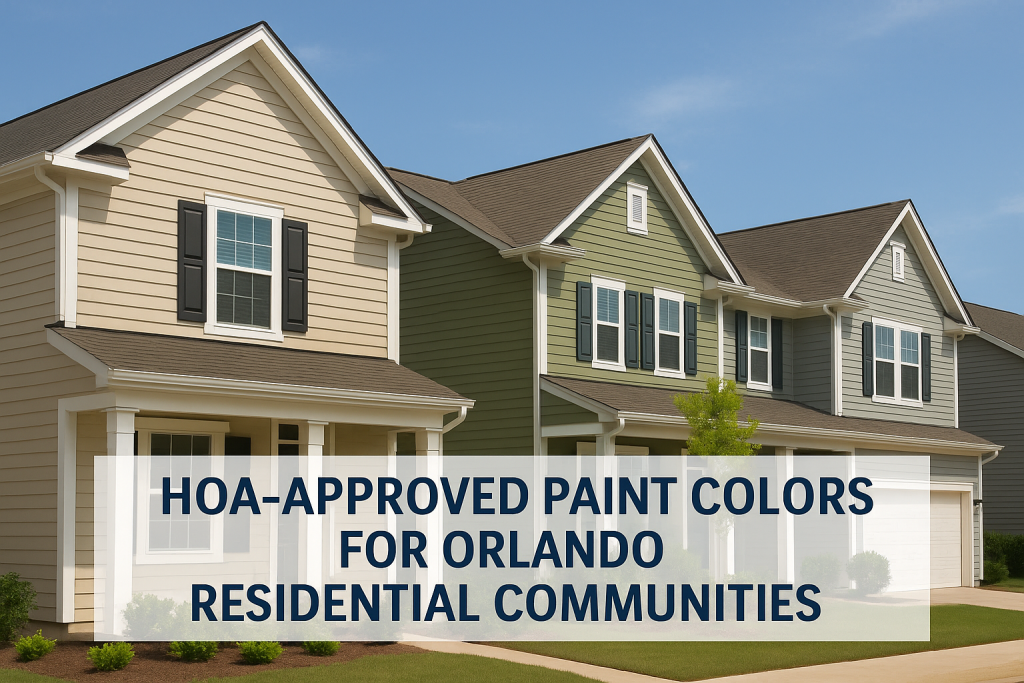
Curb Appeal Meets Compliance in Orlando Painting your home can completely transform its appearance — but if you live in an HOA (Homeowners Association) community in Orlando, that new color palette needs to do more than just look good. It has to follow the rules. Across Central Florida, most HOAs maintain strict color approval requirements to ensure visual consistency and protect property values. Choosing an unapproved color without permission can lead to fines, repainting orders, and compliance disputes. This guide breaks down how HOA-approved paint colors work in Orlando’s residential communities, how to get approval, and how to pick a color that fits both your personal style and neighborhood standards. 1. Why HOAs Regulate Paint Colors in Orlando Orlando’s residential communities are built around aesthetic harmony — every home contributing to a unified, clean, and cohesive look.To maintain that standard, HOAs regulate colors based on: By controlling paint choices, HOAs prevent clashing tones and preserve the neighborhood’s visual balance — which in turn helps keep property values stable. 2. Common Orlando Communities with HOA Color Guidelines Some of the largest and most regulated Orlando-area communities include: Each has its own Architectural Review Board (ARB) or Design Review Committee (DRC) that oversees home modifications — including exterior repainting. Before you choose a color, you’ll need to review your HOA’s specific guidelines or request an official color list from the management office. 3. How to Get HOA Paint Approval in Orlando Skipping the approval process can cost you — literally. Many HOAs in Florida fine homeowners $100–$250 per day until noncompliant paint is corrected. Here’s how to stay compliant from the start: Step 1: Review Your HOA Documents Check your Covenants, Conditions & Restrictions (CC&Rs).Most include a section titled “Architectural Standards” or “Exterior Appearance.” Step 2: Request the Approved Color Palette Contact your HOA or community management company for an official color book.Many Orlando HOAs partner with paint brands like Sherwin-Williams, PPG, or Behr to provide pre-approved combinations. Step 3: Submit an Architectural Request Form Your form should include: Step 4: Wait for Approval Expect a review window of 2–4 weeks.Once approved, keep a copy of your approval letter or email for your records. 4. Typical HOA Color Schemes in Orlando Communities Each HOA maintains its own visual theme. Here are some common patterns across Orlando neighborhoods: Community Style Base Colors Trim & Accent Colors Finish Type Mediterranean / Spanish Revival Sand, beige, tan, terra cotta Cream, off-white, dark bronze Satin / low-sheen Modern Contemporary Gray, charcoal, crisp white Black, steel, slate blue Matte / eggshell Traditional Colonial White, light gray, navy, beige Black, hunter green Semi-gloss trim Craftsman / Bungalow Sage green, brown, mustard Cream, deep red Satin Coastal / Florida Vernacular Aqua, sky blue, white, pale yellow Navy, beige Satin / low-sheen These combinations reflect Florida’s climate and natural surroundings — balancing brightness with UV resistance and visual harmony. 5. How Orlando’s Climate Affects HOA Paint Selection Paints that look great in northern climates often fail in Central Florida’s humidity and heat.That’s why many HOAs specify not just colors, but paint brands and formulations that can withstand Orlando’s environment. Approved Paint Features to Look For Some HOAs require or recommend specific premium lines such as: Always verify that the product meets your HOA’s specifications before purchasing. 6. Choosing the Right HOA-Compliant Colors If your HOA gives you a set palette, you can still create unique curb appeal through thoughtful combinations. A. Match Your Home’s Features B. Stay Neutral, But Add Contrast Subtle contrasts between walls, trim, and accents add elegance without violating color rules. C. Use HOA-Approved Accent Areas Many communities allow limited pops of color on front doors, shutters, or garage doors.Check if your HOA provides a separate list of approved accent colors. 7. Common HOA Painting Mistakes to Avoid Repainting without approval can lead to repaint orders, compliance hearings, or fines — so always submit documentation first. 8. What Happens If You Paint Without HOA Approval If you repaint without HOA consent, you may receive: Most HOAs offer a short grace period (10–30 days) to resolve violations, but in gated or master-planned Orlando communities, enforcement is strict. The best prevention: hire licensed Orlando painters familiar with HOA rules — they often help with color submittals and documentation. 9. Professional Painter’s Role in HOA Compliance Reputable painting companies in Orlando FL that specialize in HOA projects provide full compliance support: Working with an experienced local contractor saves time, avoids mistakes, and ensures your home’s repaint is both compliant and beautiful. 10. Orlando HOA Color Trends for 2025 Even within HOA limits, color trends evolve. Orlando’s most popular 2025 exterior colors include: These tones offer a fresh look while maintaining HOA harmony and Florida-friendly durability. 11. Tips for HOA Painting Success 12. How Often to Repaint Under HOA Standards Most Orlando HOAs recommend repainting every 7–10 years, or sooner if: A fresh coat not only keeps your property compliant but also prevents deterioration from humidity and sun exposure. 13. HOA-Approved Accent Color Ideas Accent areas (doors, shutters, garage trim) are often where homeowners can personalize while staying compliant.Here are a few HOA-friendly accent colors trending in 2025: Accent Feature Approved Style Examples Front Door Bold but classy Navy, forest green, deep red Shutters Classic contrast Charcoal gray, black, espresso brown Garage Doors Subtle and coordinated Beige, taupe, soft gray Trim Neutral harmony White, cream, warm gray Before finalizing, confirm that your accent selection aligns with your HOA’s “door and trim palette.” 14. Benefits of Complying with HOA Paint Guidelines Compliance doesn’t mean compromise — it’s about enhancing your home responsibly. Painting Smart in Orlando’s HOA Communities Orlando’s HOA neighborhoods are some of Florida’s most beautiful — from the tree-lined streets of Baldwin Park to the lakeside estates of Lake Nona. But beauty and compliance go hand-in-hand.Before you start painting, review your community’s color rules, submit your approval forms, and partner with experienced house painters in Orlando FL who understand HOA processes. With the right preparation, you can achieve a fresh, elegant look that keeps your home compliant, enhances value, and proudly reflects your community’s character.

HOA-Approved Paint Colors for Orlando Residential Communities (2025 Guide) Read More »

Historic Home Painting Requirements in Orlando’s Downtown Districts

Historic Home Painting Requirements in Orlando’s Downtown Districts (2025 Guide)

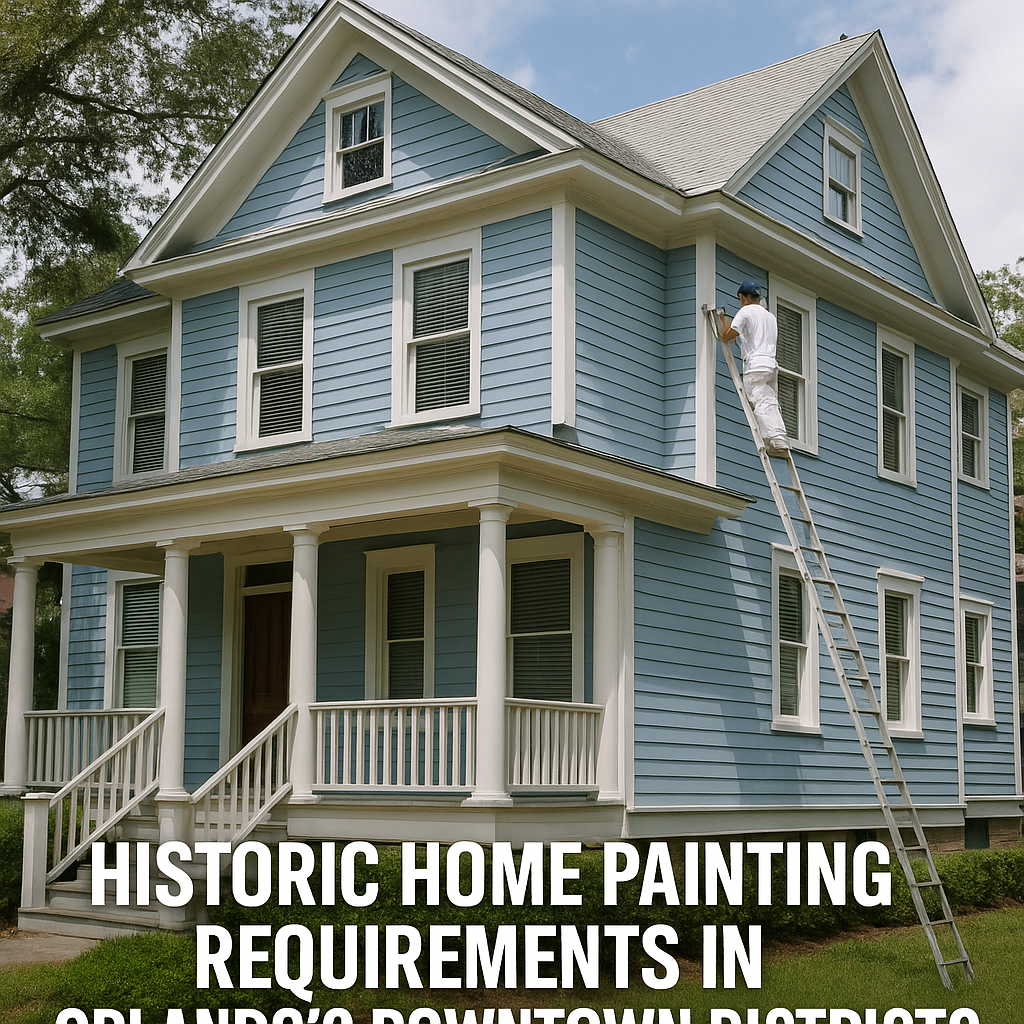
Preserving Orlando’s Architectural Heritage Orlando’s historic neighborhoods — from Lake Eola Heights to Thornton Park — are filled with century-old bungalows, Colonial Revivals, and Mediterranean-style homes that give downtown its charm.But if you plan to repaint one, you can’t just pick up a brush and go. Homes within designated Orlando Historic Preservation Districts are subject to strict painting and maintenance guidelines designed to protect architectural integrity and community value. This guide explains everything Orlando homeowners need to know before painting a historic property — including permits, color restrictions, and approved materials — plus how professional painting companies in Orlando handle compliance the right way. 1. What Counts as a “Historic Home” in Orlando? A home is considered historic if it’s: Orlando currently recognizes seven local historic districts, including: If your property lies within these boundaries, painting (even in the same color) may require city review or approval. 2. The Goal of Orlando’s Historic Paint Regulations The city’s goal isn’t to limit creativity — it’s to preserve architectural authenticity and neighborhood harmony. Orlando’s Historic Preservation Board ensures that repainting: Following these rules helps keep property values high and protects the visual character of Orlando’s beloved neighborhoods. 3. Do You Need a Permit to Paint a Historic Home? Exterior Painting (Visible from Street) Yes — if your project changes colors or paint types, you’ll likely need Historic Preservation Office (HPO) review. Repainting Same Color If you’re repainting in the same approved color, no formal review is needed, but you may still need to notify the city. When a Certificate of Appropriateness (COA) Is Required Applications are handled by the City of Orlando’s Historic Preservation Board and typically reviewed within 10–14 business days. 4. How to Get Painting Approval in Orlando’s Historic Districts Follow these steps for a smooth process: 5. Approved Paint Types and Finishes Historic homes often use materials like wood siding, stucco, or brick that require breathable coatings.Using the wrong paint can trap moisture, causing deterioration. Recommended Paint Types: Avoid: 6. Historically Appropriate Color Palettes Orlando’s historic districts follow color schemes that reflect their period of development. Architectural Style Typical Colors Trim / Accent Suggestions Craftsman Bungalow (1910s–1930s) Muted greens, browns, ochres Off-white or cream trim, dark brown accents Colonial Revival (1920s–1940s) White, pale yellow, gray-blue Black or dark green shutters Mediterranean Revival (1920s) Cream, coral, sand, terracotta Deep red or sage green trim Mid-Century Modern (1950s–1960s) Soft pastels, beige, turquoise Charcoal or white trim You can view color guidance and swatches through the City of Orlando’s Historic Preservation Office or major suppliers like Sherwin-Williams Historic Collection. 7. Common Mistakes to Avoid 8. How Professional Painters Handle Historic Projects Experienced Orlando painting contractors who specialize in historic preservation: Hiring a painter with historic property experience is the easiest way to stay compliant and maintain your home’s integrity. 9. Cost Expectations for Historic Painting in Orlando Historic homes often cost more to repaint due to specialized prep and materials. Home Size Estimated Cost Factors Small (1,200–1,800 sq ft) $4,500–$6,000 Limited detailing Medium (2,000–2,800 sq ft) $6,500–$9,000 Trim and restoration work Large or Multi-Story $10,000–$18,000+ Decorative moldings, multiple colors Costs include labor, approved paints, permits, and historical compliance documentation. 10. Maintenance and Repainting Schedule Most historic homes in Orlando need repainting every 7–9 years, depending on exposure.To extend paint life: 11. Benefits of Following Historic Guidelines Homeowners who follow these guidelines not only comply with city regulations but also keep Orlando’s historic beauty alive for generations. 12. Resources for Orlando Homeowners Painting with Purpose in Orlando’s Historic Core Painting a historic home in Orlando is about more than color — it’s about honoring the story your house tells. By following city guidelines, choosing the right materials, and working with experienced licensed painters in Orlando, you’ll protect your home’s structure, beauty, and heritage value. Before lifting a brush, always check with the Historic Preservation Office — and then bring your home’s history to life with care, craftsmanship, and color that lasts.

Historic Home Painting Requirements in Orlando’s Downtown Districts (2025 Guide) Read More »

Spring Home Maintenance: Exterior Painting Checklist for Orlando

Spring Home Maintenance: Exterior Painting Checklist for Orlando (2026 Edition)

Spring Is Orlando’s Best Season to Refresh Your Home As winter fades and the Florida sun brightens, spring becomes the perfect time to give your home’s exterior a little TLC. In Orlando, where humidity and sunlight take a toll year-round, spring maintenance helps prevent costly damage and keeps your home looking pristine. One of the smartest upgrades you can make this season?A fresh coat of paint. Spring offers ideal weather for painting — moderate temperatures, low humidity, and fewer rain showers — making it the prime window to refresh your home’s curb appeal and protection before the intense summer heat sets in. This comprehensive spring painting checklist for Orlando homeowners covers everything from surface inspections to paint selection and contractor tips to ensure your home stays beautiful and weatherproof all year long. 1. Inspect Your Home’s Exterior Thoroughly Before painting or touching up, perform a full walk-around inspection of your home’s exterior. Orlando’s humid winters and occasional cold snaps can cause damage you might not notice right away. Check for: Use a flashlight to inspect under eaves and behind shrubs — areas most prone to moisture retention.If you find any paint damage, it’s time to clean, repair, and prep before repainting. 2. Clean Off Winter Grime with Pressure Washing Even if your paint looks intact, your walls have likely collected months of: A gentle pressure wash clears away contaminants that can prevent new paint from adhering properly. Professional Orlando painting companies often include this as part of their prep process. Pro Tip:Use a mild detergent or mildew remover, and let surfaces dry for 24–48 hours before painting. 3. Repair Cracks and Surface Damage Florida’s constant temperature swings and humidity can cause stucco and wood to expand and contract — leading to cracks and gaps. Repair Checklist: If water can get in, it will — so seal everything thoroughly before the first coat of paint goes on. 4. Choose Paints Designed for Orlando’s Climate Orlando’s spring may be mild, but the paint still needs to withstand summer’s heat, humidity, and UV radiation. Choose high-performance coatings formulated for subtropical weather. Best Paint Features for Orlando Homes: Top brands used by professional house painters in Orlando FL include: 5. Pick the Perfect Spring Color Palette Spring is the season of renewal — and your home’s colors can reflect that.In Orlando, light, reflective tones not only look clean and fresh but also help reduce heat absorption in the coming summer. Trending Spring 2025 Color Ideas: When choosing colors, also consider: 6. Schedule Painting During the Optimal Weather Window In Orlando, March through May is ideal for painting: Avoid painting right after a rainstorm or during weeks with high pollen counts, as moisture and debris can affect paint adhesion. Pro Tip:Start on the shady side of the house and move with the sun to prevent paint from drying too quickly. 7. Gather Tools and Supplies If you’re tackling a DIY project, organization is key.Use this checklist to prep your materials before starting. Spring Painting Toolkit: However, for two-story homes or large projects, it’s safer and faster to hire licensed Orlando painters with professional equipment and insurance. 8. Prime Problem Areas Before Painting Florida humidity can make paint blister or bubble if applied to damp or unprimed surfaces.Before painting: Skipping primer is one of the main reasons paint fails early — don’t cut corners here. 9. Apply Paint Properly for Maximum Durability For Professional Results: Allow at least 24 hours between coats for ideal adhesion, especially in Orlando’s humid spring air. 10. Protect Landscaping and Outdoor Features Before starting, shield your plants and outdoor structures from paint splatter: Proper prep keeps your landscape looking as clean as your new paint. 11. Post-Paint Cleanup and Inspection After the final coat dries, take time to inspect your work: Clean brushes, dispose of paint properly, and store extra for future touch-ups. 12. Maintain Your Fresh Paint All Year Your spring paint job will look great all summer — and beyond — with simple care: Regular maintenance extends your paint’s life — saving you money in the long run. Spring Is the Season to Protect and Refresh Spring in Orlando is more than just pleasant weather — it’s the perfect opportunity to refresh your home before the heat and storms arrive. By following this exterior painting checklist, you’ll protect your home’s surfaces, enhance curb appeal, and set the foundation for a long-lasting finish that stands up to Florida’s climate. For homeowners who prefer expert precision, partnering with licensed, insured painters in Orlando FL ensures professional results, color longevity, and year-round protection. A fresh paint job this spring isn’t just maintenance — it’s peace of mind for the seasons ahead.

Spring Home Maintenance: Exterior Painting Checklist for Orlando (2026 Edition) Read More »

Hurricane-Resistant Exterior Paint Options for Orlando Homes (2025 Guide)

Painting for Protection in Florida’s Storm Season Every Orlando homeowner knows hurricane season isn’t a question of if — it’s a question of when. Between June and November, Central Florida experiences torrential rain, extreme humidity, and high winds that can easily damage unprotected exteriors. While most homeowners prepare with shutters, sandbags, and sealed roofs, exterior paint is often overlooked as a critical layer of protection. The right hurricane-resistant paint can do far more than make your home look beautiful — it can seal out water, resist cracking, and protect surfaces from storm-driven debris. This comprehensive guide explains the best hurricane-resistant exterior paint options for Orlando homes, what makes them different, and how to apply them for long-lasting storm protection and curb appeal. 1. Why Orlando Homes Need Storm-Rated Paint Orlando’s location in the center of the state doesn’t eliminate hurricane risk. Each year, storms from the Gulf and Atlantic push heavy rain and winds that test your home’s exterior. Here’s how the local climate impacts paint longevity: Heavy Rain & Wind: Moisture intrusion through micro-cracks weakens stucco and causes peeling. High Humidity: Keeps walls damp longer, promoting mildew and algae growth. UV Radiation: Fades colors and breaks down paint binders year-round. Temperature Swings: Day-to-night heat changes cause expansion and contraction that lead to cracking. In short — standard exterior paints can’t handle it. To survive in Florida, your home needs a high-performance, hurricane-resistant paint system built to repel moisture, flex with the structure, and resist both wind and water. 2. What Makes a Paint “Hurricane-Resistant”? A true hurricane-resistant exterior paint is not just water-repellent — it combines four key technologies: Elastomeric Flexibility: Allows paint to stretch and contract up to 300% without cracking. Waterproof Barrier: Prevents rain and wind-driven moisture from seeping into stucco or concrete. Mildew and Salt Resistance: Stops mold growth and salt air corrosion (even inland). UV and Fade Protection: Keeps color vibrant under Florida’s intense sunlight. These paints form a seamless, rubber-like membrane over your home, similar to a waterproof sealant but with a premium architectural finish. 3. Best Hurricane-Resistant Paint Types for Orlando Homes A. Elastomeric Paint Best For: Stucco, concrete block (CBS), and masonry homes Elastomeric paint is the gold standard for hurricane protection in Florida. Its flexible formula bridges hairline cracks and provides a weatherproof barrier that withstands years of rain and wind. Key Benefits: Expands with wall movement to prevent cracking Highly water-resistant Blocks mold and mildew Excellent adhesion in humid climates Reduces heat absorption when tinted in light colors Recommended Products: Sherwin-Williams ConFlex Ultra Behr Premium Elastomeric Masonry, Stucco & Brick Paint PPG Permanizer Plus Lifespan: 10–15 years with proper prep and maintenance. B. 100% Acrylic Latex Paint Best For: Wood, Hardie board, stucco, or previously painted surfaces Acrylic latex paints remain flexible and breathable — two essential traits for Florida’s storm season. They resist bubbling, fading, and peeling even in constant moisture. Key Benefits: Water-resistant yet breathable Excellent UV stability Available in satin or semi-gloss finishes Mildew-resistant formulas available Easier touch-ups than elastomerics Recommended Products: Benjamin Moore Aura Exterior Sherwin-Williams Duration Exterior Behr Marquee Exterior Lifespan: 8–10 years under Orlando’s weather conditions. C. Ceramic-Based Exterior Coatings Best For: Homeowners seeking maximum reflectivity and energy efficiency Ceramic paints use microscopic ceramic spheres to create a thermal and waterproof shield. They’re growing in popularity among Florida homeowners for their ability to lower wall surface temperatures. Key Benefits: Reflects up to 90% of UV rays Water and salt-resistant Creates a barrier against dirt and mildew Lowers cooling costs by up to 20% Recommended Brands: SuperTherm® by Superior Products International ThermaCote® Ceramic Coating Lifespan: 15–20 years with professional application. D. Silicone-Enhanced Exterior Paint Best For: Brick or highly porous surfaces Silicone additives boost waterproofing power while maintaining breathability — ideal for Florida’s fast-changing weather patterns. Benefits: Superior water beading and runoff Resists mold and efflorescence Can be tinted for custom colors Works well as a topcoat over elastomeric primers Recommended Products: StoColor Lotusan® (self-cleaning façade paint) Benjamin Moore Element Guard™ 4. Finishes That Withstand Florida’s Moisture and Sun Choosing the right finish (or sheen) matters just as much as the paint formula itself. Finish Durability Best Use Notes for Orlando Climate Flat/Matte Low Shaded stucco walls Not water-resistant; avoid for exteriors Satin High Exterior walls & siding Ideal balance of protection and appearance Semi-Gloss Very High Trim, doors, and shutters Repels water and resists mildew Gloss Maximum Metal surfaces Reflects heat; best for accents Most painting companies in Orlando recommend satin for main exteriors and semi-gloss for trim and shutters. This pairing ensures strong moisture defense and easy cleaning after storms. 5. How to Prepare Your Home for Hurricane-Resistant Painting A. Surface Cleaning Pressure-wash your exterior to remove mildew, chalk, and dirt. For best adhesion, let the surface dry for at least 24–48 hours. B. Repairs and Sealing Fill all cracks in stucco or concrete using an elastomeric patching compound. Re-caulk around windows and doors to seal moisture entry points. C. Priming Use a high-build acrylic or elastomeric primer for maximum adhesion. Primers are crucial on porous or weather-damaged surfaces. D. Optimal Painting Conditions Temperature: 60–85°F Humidity: Below 70% No rain forecast for 48 hours Professional Orlando painters often work in early mornings during the dry season (November–April) to ensure ideal drying conditions. 6. Bonus: Energy Efficiency and Storm Resistance in One The best hurricane-resistant paints don’t just seal out water — they also reduce heat gain. Reflective and light-colored coatings can: Lower exterior wall temps by up to 20°F Reduce energy use by 5–15% annually Extend the lifespan of your roof and siding This dual benefit makes climate-engineered paints a smart investment for Orlando homeowners seeking both comfort and durability. 7. Comparing Hurricane-Resistant Paint Options Paint Type Waterproofing UV Resistance Flexibility Lifespan Cost (per gal) Elastomeric ★★★★★ ★★★★☆ ★★★★★ 10–15 yrs $60–$80 Acrylic Latex ★★★★☆ ★★★★☆ ★★★★☆ 8–10 yrs $50–$70 Ceramic Coating ★★★★★ ★★★★★ ★★★★☆ 15–20 yrs $80–$120 Silicone-Enhanced ★★★★★ ★★★★☆ ★★★★☆ 10–15 yrs $70–$90 While elastomeric paints remain the most common

Hurricane-Resistant Exterior Paint Options for Orlando Homes (2025 Guide) Read More »

10 Questions to Ask Orlando Painting Contractors Before Hiring (2025 Guide)

Protect Your Home and Your Investment Painting your home — whether interior or exterior — is one of the best ways to add value and curb appeal. But choosing the right Orlando painting contractor can make the difference between a flawless, durable finish and a costly headache. With hundreds of painting companies in Central Florida, homeowners often struggle to know who to trust. The good news? Asking the right questions before hiring helps you separate true professionals from unqualified or inexperienced contractors. In this guide, we’ll cover 10 essential questions every Orlando homeowner should ask before hiring a painting company — and why the answers matter more than most people realize. 1. Are You Licensed and Insured in Florida? The first question should always be about credentials. In Florida, professional painters must hold a valid occupational license and carry both general liability insurance and workers’ compensation. Why It Matters: Licensing confirms the company meets Florida’s business requirements. Liability insurance protects you if they damage your property. Workers’ compensation covers painter injuries on your property. Red Flag: Any contractor who avoids the topic or says, “We don’t need that.” You can verify a painter’s license online through the Florida Department of Business & Professional Regulation (DBPR). 2. How Long Have You Been in Business in the Orlando Area? Local experience is key. Orlando’s humidity, summer storms, and unique building materials require regional expertise. Ask: How long have you worked in Central Florida? Have you painted homes in my neighborhood or community? What types of surfaces do you specialize in (stucco, block, wood, etc.)? Why It Matters: Established local companies understand the area’s microclimate, which affects drying times, mold resistance, and paint longevity. A contractor who’s lasted 5–10+ years in Orlando’s market likely has a strong reputation and repeat clientele. 3. What Type of Paint and Materials Do You Use? Paint quality is everything in Florida. Cheap or interior-grade paint will fail fast under Orlando’s intense UV rays and humidity. Ask For: 100% acrylic or elastomeric paints for exteriors. Mildew-resistant formulas for humid areas. Top brands like Sherwin-Williams, Benjamin Moore, or Behr. Pro Tip: If they only use “contractor-grade” paint, expect a shorter lifespan and less durability. Always request to see the paint label or product data sheet. 4. Do You Provide a Written Estimate and Contract? Professional painting companies in Orlando always provide detailed written estimates — not vague verbal quotes. A quality estimate should include: Scope of work (interior/exterior, number of coats, prep details) Brand and product name of paint used Surface preparation plan (washing, sanding, priming) Total cost, deposit, and payment schedule Start and completion dates Warranty terms Avoid companies that won’t provide documentation — it’s a sign of disorganization or worse, a scam. 5. What Does Your Surface Preparation Include? Preparation is often 70% of the job — and the foundation of a professional finish. Ask contractors to describe their process in detail. They should mention: Power washing (for exteriors) Sanding, scraping, and caulking Patching cracks or holes Applying primer before painting Why It Matters: Skipping these steps leads to peeling, uneven color, and reduced paint life — especially in Florida’s humid air. Reputable Orlando painters take prep work seriously. 6. How Do You Protect My Property During the Job? A responsible contractor protects your home and surroundings. Ask About: Covering furniture, plants, and flooring Taping and plastic barriers Paint disposal and cleanup process Professional crews will treat your home like their own. If they can’t clearly explain how they prevent overspray or damage, that’s a red flag. 7. Who Will Actually Be Doing the Work? Some companies send subcontractors who aren’t part of their core team. That’s fine — as long as it’s transparent. Ask: Do you use employees or subcontractors? Are they trained and insured under your company? Who will be my on-site project manager? Knowing who’s on your property ensures accountability and consistent quality. 8. Do You Offer a Warranty or Guarantee? Reputable Orlando painting companies stand behind their work. Ask: What type of warranty do you offer? What does it cover (labor, materials, touch-ups)? How long does it last? A standard professional warranty should last 2–5 years for exteriors. Be wary of vague promises like “we’ll come back if something happens.” 9. Can I See References or Recent Projects? Experience and reputation speak louder than ads. Ask for: Local references within the last 12 months Photos or addresses of completed homes Google or Yelp reviews You can even drive by past projects to see how the paint has held up over time. Consistent quality and happy clients are strong indicators of reliability. 10. How Do You Handle Unexpected Issues or Change Orders? Every project has surprises — wood rot, weather delays, or extra prep. What matters is how the contractor handles them. Ask: How will you communicate changes? Do you provide written change orders before adding costs? How do you handle rain delays during hurricane season? Professionals maintain transparency, communicate clearly, and never surprise clients with hidden charges. Bonus Tip: Pay Attention to Communication The way a contractor communicates early on often reflects how the project will go. Do they return calls promptly? Provide detailed answers? Arrive on time for your estimate? Strong communication and punctuality usually indicate professionalism and reliability — traits every Orlando homeowner should look for. The Right Questions Lead to the Right Painter Hiring the right house painter in Orlando, FL doesn’t have to be stressful — it just takes the right questions. A qualified professional will happily answer each one, provide documentation, and offer guidance that shows genuine expertise. Before signing anything, review licenses, verify insurance, read reviews, and make sure your estimate covers every detail. By doing so, you’ll protect your investment, save money, and enjoy a lasting, beautiful paint job that thrives in Florida’s climate.

10 Questions to Ask Orlando Painting Contractors Before Hiring (2025 Guide) Read More »

How to Verify a Painting Contractor\’s License in Florida (2025 Guide)

Don’t Risk Your Home on an Unlicensed Painter Florida’s warm weather means constant exposure to heat, humidity, and storms — making quality painting work essential for home maintenance. Unfortunately, this also attracts unlicensed and unqualified painters offering “cheap” deals that can cost homeowners thousands later. Whether you’re repainting your home in Orlando or scheduling exterior work before hurricane season, it’s crucial to confirm that your painting contractor is properly licensed, insured, and registered with the state of Florida. In this guide, we’ll explain exactly how to verify a painting contractor’s license in Florida, why it matters, and how to protect yourself from potential fraud or liability. 1. Why Licensing Matters for Florida Homeowners When you hire a licensed Orlando painting contractor, you’re not just paying for paint — you’re investing in accountability, quality assurance, and legal protection. A. Licensed Painters Follow State Laws Florida’s Department of Business and Professional Regulation (DBPR) regulates licensed contractors, including those performing residential painting, stucco, and finishing services. Licensing ensures painters understand safety codes, environmental compliance, and business ethics. B. Unlicensed Work Can Void Insurance If an unlicensed painter damages your property or gets injured, your homeowner’s insurance may not cover it. You could end up responsible for the repairs or medical costs. C. Licensed Contractors Protect You A licensed painting company carries: General liability insurance for property damage. Workers’ compensation for crew injuries. State registration and verification numbers you can check online. In short — a valid license proves professionalism, safety, and reliability. 2. Florida’s Licensing Requirements for Painters Unlike electricians or plumbers, painting is considered a “specialty trade” in Florida. However, painters still need proper documentation to operate legally. A. Business License Every painting company in Florida must hold an occupational license from their county or city (e.g., Orange County or City of Orlando). B. Contractor Registration If a painting company performs work over a certain value or includes structural elements, they may also need state-level contractor registration with the DBPR. C. Insurance and EIN Painters must maintain: Active general liability insurance Workers’ compensation coverage (if they have employees) A valid EIN (Employer Identification Number) for tax purposes D. Local Permits For larger commercial or HOA projects, permits may be required — and only licensed contractors can pull them. 3. How to Verify a Painter’s License in Florida Verifying a painter’s license only takes a few minutes — and it’s free. Follow these steps before hiring anyone to paint your home in Orlando. Step 1: Ask for Their License Number A professional painter should have their license number printed on: Their business card or brochure Company vehicles Website or social media Estimates and invoices If they hesitate or provide excuses (“we’re just a small local company”), that’s your first red flag. Step 2: Check the License Online Go to the Florida DBPR License Lookup Portal: 🔗 https://www.myfloridalicense.com/wl11.asp Then: Choose “Search by Name” or “License Number.” Enter the contractor’s business name or license ID. Review the results to confirm: License status: Active, inactive, or expired License type: Painting or specialty contractor Expiration date Disciplinary actions or complaints If no record appears, the company is likely unlicensed or using another business’s credentials. Step 3: Verify Local Business Licensing Visit your local municipality’s business licensing portal: City of Orlando: https://www.orlando.gov/ Orange County: https://www.ocfl.net/ Search for the business name under “Business Tax Receipts.” This ensures they are legally operating in your area and paying required local taxes. Step 4: Confirm Insurance Coverage Ask your painter to provide current certificates of insurance directly from their provider. These documents should list: Policy number Expiration date Coverage limits Your name and property address as “certificate holder” You can also call the insurance company to verify that the policy is valid and active. Step 5: Look for Online Reputation and Reviews Even licensed contractors vary in quality. Always check: Google Business Profile for verified customer reviews Better Business Bureau (BBB) rating Yelp, Angi, or HomeAdvisor listings Look for consistent feedback about punctuality, communication, and quality of work. 4. Red Flags to Watch For If you encounter any of the following, walk away immediately: 🚫 Red Flag Why It’s a Problem Refuses to show license or insurance Operating illegally Only accepts cash payments Avoiding taxes or traceability “We don’t pull permits” Hiding unlicensed status License belongs to another company Fraud or subcontractor misuse No written estimate or contract Risk of scams or disputes Professional painting companies in Orlando are transparent, insured, and take pride in their credentials. 5. What Happens If You Hire an Unlicensed Painter It might seem harmless to hire a cheaper painter — but unlicensed work can cause serious legal and financial issues. A. No Legal Recourse You can’t file a complaint with the state against someone who isn’t licensed — meaning you’re on your own if things go wrong. B. Home Insurance May Deny Claims If an unlicensed painter damages your home or injures themselves, your insurer can deny coverage due to “hiring an unlicensed contractor.” C. Risk of Fines Homeowners who knowingly hire unlicensed contractors can face fines up to $5,000 under Florida law. D. Poor Quality and No Warranty Unlicensed painters often use subpar materials, skip preparation steps, and vanish after payment — leaving you with peeling paint and no guarantee. 6. How to File a Complaint or Report a Suspicious Painter If you suspect a contractor is unlicensed, report them to: Florida DBPR Unlicensed Activity Hotline: 1-866-532-1440 DBPR Online Complaint Form: https://www.myfloridalicense.com Provide: The painter’s name, company, and phone number A copy of any estimate or business card Details about your interaction This helps protect other homeowners from scams and keeps Orlando’s painting industry reputable. 7. Bonus Tip: Check for Memberships and Certifications Beyond licensing, top-tier Orlando painting companies often hold professional memberships or certifications, such as: PDCA (Painting and Decorating Contractors of America) Better Business Bureau (BBB) EPA Lead-Safe Certification for older homes These credentials demonstrate commitment to safety, ethics, and continuing education. 8. Questions to Ask When Verifying Credentials When speaking with

How to Verify a Painting Contractor\’s License in Florida (2025 Guide) Read More »